
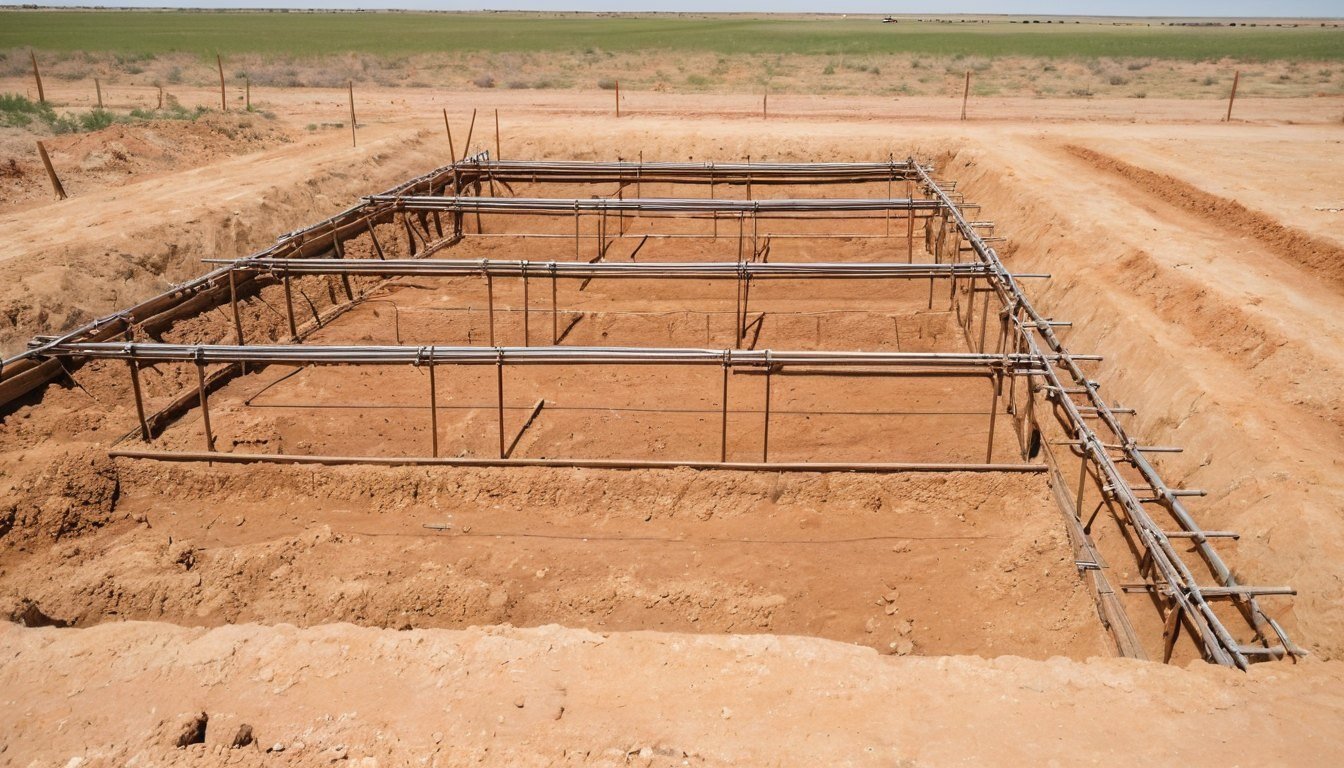
Nobody sees concrete footings once the building is finished, but everyone depends on them. A footing spreads the weight of a wall, a post or a roof over the soil so the structure does not sink, tilt or crack. In Lubbock, TX, where clay soil moves and caliche can hide under the surface, concrete footings have to be dug and poured with care.
Lubbock Concrete pours concrete footings for porches, carports, additions, shops, retaining walls, fences and outdoor structures across Lubbock and the South Plains. We follow your plans or your engineer, and we give a free written estimate.
What concrete footings do and where you need them
A footing sits below a wall, post or column and is wider than what it supports. That extra width spreads the load. Continuous footings run under walls. Spread footings sit under single posts. Pier footings are drilled round holes filled with concrete and steel, common for carports, pergolas, decks and fences.
You need footings for just about any structure that carries weight, from a patio cover to a metal shop building. Even a tall wooden privacy fence needs good post footings in our wind.
- Continuous footings under walls
- Spread footings under posts and columns
- Drilled piers for carports, covers and fences
- Footings tied to slabs and stem walls
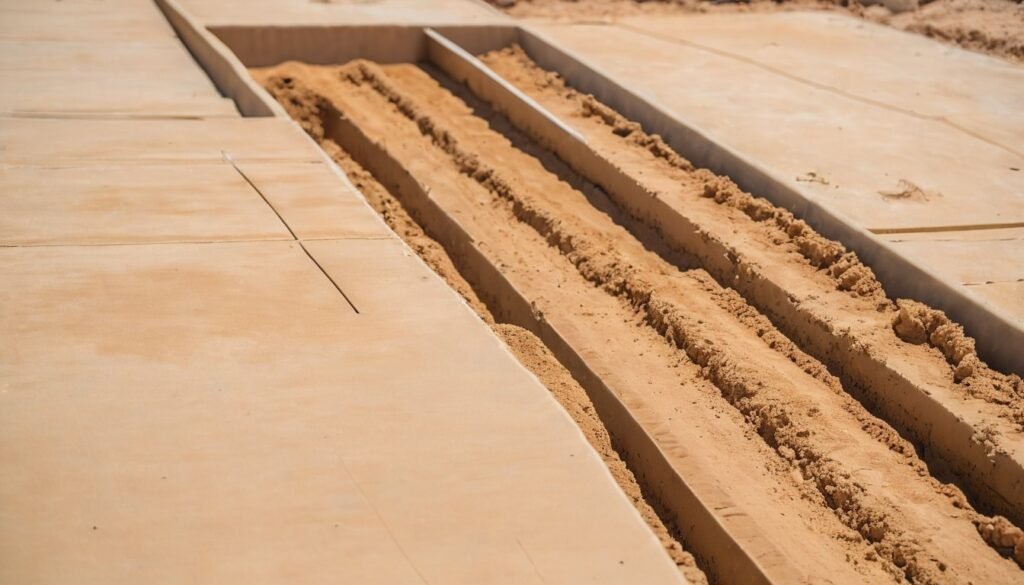
Digging and pouring concrete footings on the South Plains
Depth and size come from the plans, the soil and local code. We mark the layout, call Texas811 and dig to the required depth, which may be below the zone where moisture changes the most. In places with caliche, digging takes more machine work, and we plan for it.
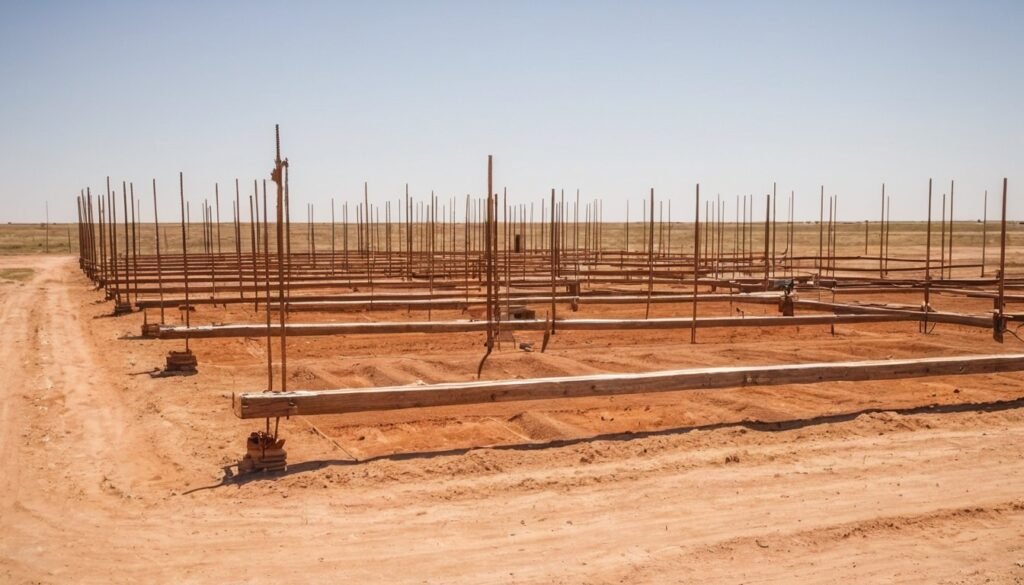
Steel is tied in place and held up off the dirt so it ends up inside the concrete. We pour, vibrate or rod the concrete so it fills the hole, and we level the top. Anchor bolts and post bases are set while the concrete is wet, and then the footing cures.
Inspections, drainage and avoiding mistakes
Many footings need an inspection before concrete goes in, so we schedule with your builder or the city. Water in the trench, loose dirt on the bottom and missing steel are the most common problems, and we check each one. A footing that sits on loose soil can settle later.
After the pour, keep water from pooling around the footings. Good grading and gutters protect them. For related work, see concrete foundations, concrete retaining walls and concrete slabs.
Cost, timing and next steps for concrete footings
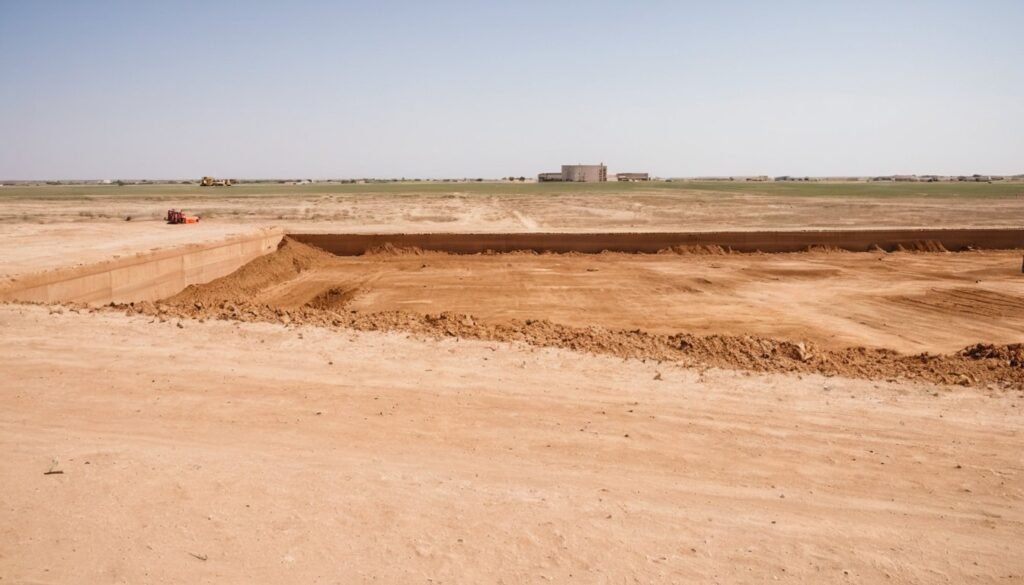
Price depends on the number of footings, depth, size, steel and how hard the soil is to dig. A few pier footings can be done in a day. A full set for an addition takes longer. Footings gain most of their strength in about a week, and your builder sets when framing starts.
Call us or use the contact page. Send plans or a sketch, and we will give you a free written estimate.
Concrete Footings questions answered
How deep should concrete footings be in Lubbock?
Depth comes from your plans, local code and the soil. In our area, the frost depth is shallow compared with northern states, but expansive clay can move at depths well below the surface. Many footings for buildings go deeper than the minimum, and drilled piers can go many feet deep to reach stable soil. Fence and light pergola footings are shallower.
We follow the engineer's drawing when there is one. If there is none, we recommend a depth based on the structure and the soil, and we tell you why. We would rather dig a little deeper at the start than see a post lean in a few years. Tell us what you are building, and we will give you a clear plan. Gravel next to a slab can wash onto it in heavy rain, so a clean edge and a little slope keep both in their place. We stand behind our work and are happy to answer questions after the job is done, not just before it starts.
Do I need concrete footings for a fence or carport?
For a fence, yes if you want it to survive our wind. Setting posts in concrete keeps them straight through gusts and soil changes. For a carport, metal building or pergola, footings are even more important, because the structure has a roof that catches wind and can lift. Most kits and plans list the required footing size and depth.
We pour concrete footings to match the maker's instructions or your plan, and we set the anchor bolts or post bases while the concrete is wet. Skipping footings or using small ones is the most common reason structures lean or blow over. Tell us if neighbors share a fence line or a drive with you, so we can plan the work to respect the property lines. On long driveways and big pads, we pour in sections with planned joints, so the slab stays flat and easy to repair if needed. Mark off the fresh surface with cones or tape and keep pets and children away until we say it is ready.
How long before I can build on new footings?
Footings gain strength quickly, but they are not at full strength right away. Many builders wait at least a few days, and often a week, before putting loads on them. Your plan or engineer may set the exact time. Light framing is often fine sooner than heavy loads like masonry or a metal roof.
We tell you when we pour, and we can work with your schedule. Hot weather speeds up the cure, and cold slows it. If we see a reason to wait longer, we say so. A little patience protects the footing and everything above it. A clean, flat edge where new concrete meets old comes from careful saw cutting and a little extra time at the forms. Hot, dry wind can crust the top of fresh concrete while the inside is still soft, which is why finishing at the right moment matters so much. Caliche, the hard layer under much of our soil, can slow digging, and we plan extra time when we know it is there.
What happens if we hit caliche when digging?
Caliche is a hard, cemented layer of soil common on the South Plains. It can be anywhere from a few inches to several feet below the surface. It is a good bearing layer for footings, but it is hard to dig. We use machines with the right bits, and we price accordingly if the job needs more work.
Tell us at the estimate if you know your lot has caliche. If we find it unexpectedly, we talk with you before we change the plan. Digging into caliche can make footings stronger, because they sit on firm ground, but it can also add time and cost, so it is better to know early. If we find a surprise under the old slab, like a void or soft fill, we explain it and fix it before we build on top. If you are comparing bids, ask each contractor to list the base work, the steel and the curing plan in writing, because that is where prices really differ.
Can you add footings for an addition to an existing building?
Yes. We dig the new footings to the required depth and tie them to the old foundation when the plans call for it, using steel dowels drilled into the old concrete. The new footing and the old one must be designed to move together, or to move separately with a joint. That choice is made by the engineer or builder.
We also protect the old foundation while we work, and we check for pipes and lines before we dig. Bring your plans, and we will go through the details together. For additions, see also concrete foundations. Air entrained concrete has tiny bubbles that give freezing water room to expand, which protects outdoor slabs in our winters. The best time to call is before you are in a hurry, because rushed concrete work is where most regrets begin. Think about how you will use the space in five years, not just this year, because a slightly larger or thicker slab now costs far less than redoing it later.
Do footings need steel inside?
Most do. Steel rebar keeps the footing from cracking under load and ties it to the wall or slab above. The size, number and placement of bars come from the plans or code. Steel has to be held off the dirt so it sits inside the concrete and is protected from rust.
We tie the rebar into cages or mats, place them on supports and have them inspected when required. For small fence post footings, steel is often not needed, but a few bars can add strength in loose soil. We tell you what makes sense for your project. If you are not sure whether to repair or replace, we will look at it honestly and tell you what will last. Ask us for a rough range if you are early in planning, and we will tell you what affects the price most. We would rather tell you the truth about what a job needs than sell you something that will fail in a few years.
Ready for a free estimate? Call (806) 541-4636 or use the estimate form. Lubbock Concrete gives clear written estimates for patios, slabs and driveways across the South Plains.