
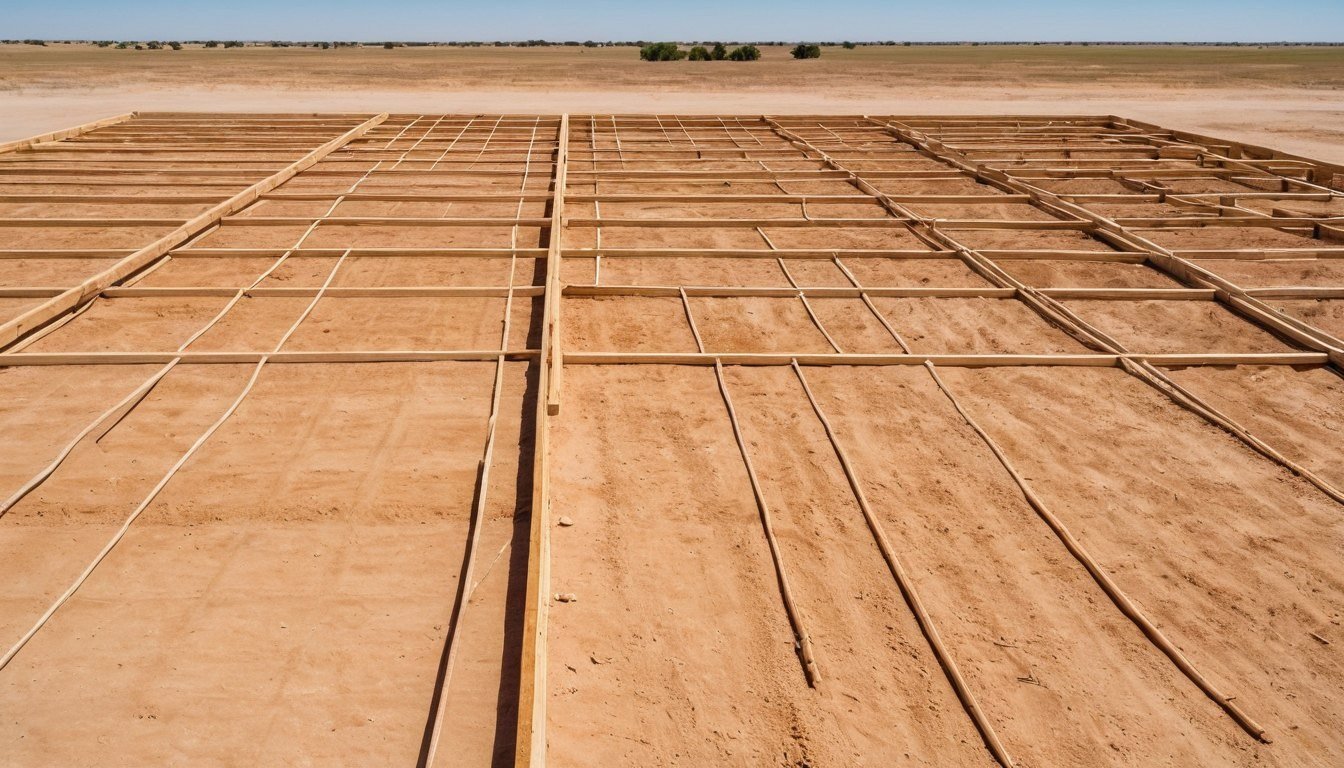
Anybody who has lived in Lubbock a while knows what our ground can do. The clay swells when it gets wet and shrinks when it dries, and the wind pulls the water out of fresh concrete faster than you would think. Concrete slabs that are poured the wrong way crack, tilt and hold puddles. Concrete slabs that are poured the right way sit flat for decades.
Lubbock Concrete builds concrete slabs for homes, garages, shops and small businesses in Lubbock, TX and across the South Plains. We walk the site, explain the plan in plain words, and give you a free written estimate before any work starts.
What goes into a good concrete slab in Lubbock
A slab is only as good as the ground under it. Around Lubbock, the top layer is often Pullman clay loam, and under it there can be a hard layer of caliche. We strip the soft topsoil, shape the grade, and bring in compacted base material so the slab sits on firm, even support.
Then we add steel. Rebar or welded wire keeps small cracks tight, and thicker edges carry the load where walls, trucks or equipment will sit. Most home and garage slabs are four to six inches thick, and shop slabs for heavy equipment go thicker. We match the thickness to what the slab will carry.
- Soil check and grading before any forms go up
- Compacted base to give the slab even support
- Rebar or wire mesh sized for the load
- Control joints cut so cracks stay straight and neat
Pouring concrete slabs in wind, heat and cold
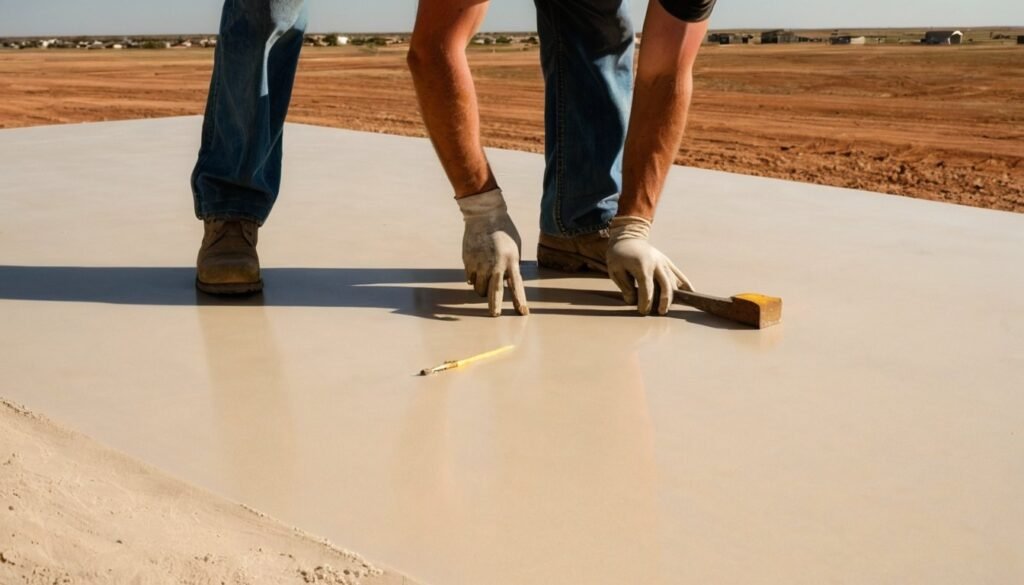
The South Plains wind is the biggest enemy of a fresh slab. It dries the surface before the concrete below has set, and that causes small cracks called plastic shrinkage cracks. We plan pours for calmer hours, wet the base, use evaporation retarders when the wind is up, and cure the surface right after finishing.
Winter brings freeze and thaw, so outdoor concrete slabs get air entrained concrete that handles the cycles. In the heat of July we cool the mix and pour early. If the weather will hurt your slab, we move the date, and we tell you why.
Concrete slabs for houses, garages, shops and pads
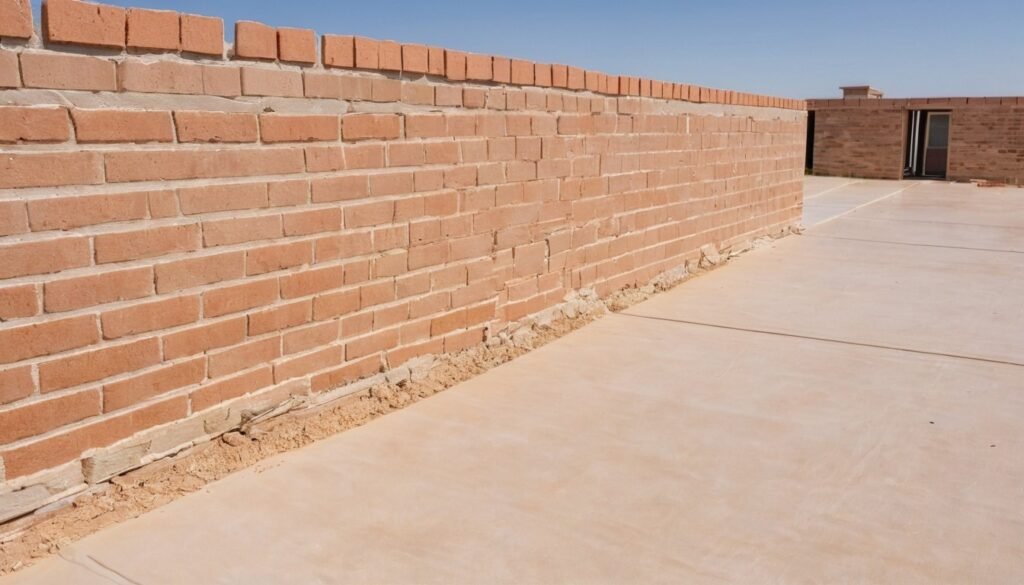
Our concrete slabs include garage floors, shop floors, shed pads, carport pads, RV pads, equipment pads and the base for a new addition. House foundations follow the engineer's plans, and we pour to those drawings. For other slabs, we help you pick the size, the thickness and the finish that fit how you will use the space.
Finish matters. A broom finish gives grip outdoors. A hard steel trowel finish is easy to clean in a shop. A sealed surface protects the slab from oil and water. You can read more about garage floor concrete, shop and barn floors and concrete foundations on their own pages.
Cost, timing and next steps for your concrete slabs
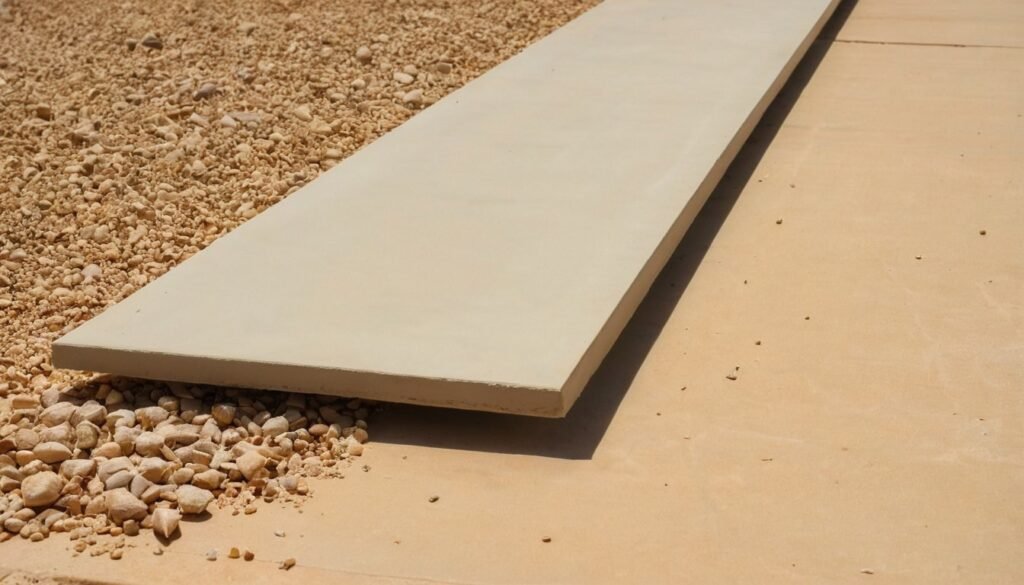
Price depends on size, thickness, steel, finish, access and how much site work is needed. A small pad can be poured in a day, and a larger slab may take a few days to prep, pour and finish. You can walk on a new slab after a day or two, drive cars on it after about a week, and park heavy loads on it after about four weeks.
To get started, call us or send a note through the contact page. We will visit, measure, check drainage and give you a written price with no pressure.
Concrete Slabs questions answered
How thick should concrete slabs be in Lubbock?
For a garage floor, a patio or a shed pad, four inches is the common minimum, and five or six inches is better where vehicles will park or roll. For a shop that holds a lift, a tractor or heavy tool chests, we often pour six inches or more with steel in the middle of the slab. The load on each tire or each lift post matters more than the total weight of the building.
Thickness works together with the base and the steel. On Lubbock clay, a thicker edge and a compacted base are what keep a slab flat. If you are not sure, tell us what you plan to put on the slab, and we will size it for the real load. A free estimate always includes our recommendation for thickness. If you are comparing bids, ask each contractor to list the base work, the steel and the curing plan in writing, because that is where prices really differ.
Why do concrete slabs crack in West Texas, and can it be stopped?
Most cracks come from three things. The first is wind and heat drying the surface too fast while the concrete is still setting. The second is clay soil that swells and shrinks as the moisture changes. The third is a slab with no control joints, which means the concrete picks its own place to crack.
We cannot promise a slab will never crack, because no one can. We can control where and how. We cut control joints at the right time, add steel to hold cracks tight, build a firm base, and cure the slab slowly. If a thin hairline shows up later, it is usually cosmetic and easy to seal. A wide or uneven crack deserves a visit, and we are glad to take a look. Air entrained concrete has tiny bubbles that give freezing water room to expand, which protects outdoor slabs in our winters. The best time to call is before you are in a hurry, because rushed concrete work is where most regrets begin.
How long before I can use a new concrete slab?
You can usually walk on a new slab after one or two days. Wait about seven days before you drive a car or pickup on it. Heavy trucks, loaded trailers and equipment should wait closer to 28 days, which is when the concrete reaches its design strength. Cold weather slows the cure, and hot weather speeds it up.
We will tell you the exact dates when we finish. We also mark off the slab with cones or tape so no one steps or drives on it by mistake. If you have a move in date or a delivery coming, tell us when you call. We can plan the pour so the slab has time to cure before you need it. Think about how you will use the space in five years, not just this year, because a slightly larger or thicker slab now costs far less than redoing it later. If you are not sure whether to repair or replace, we will look at it honestly and tell you what will last.
Do I need a permit for a concrete slab in Lubbock?
It depends on what the slab is for. A simple patio or shed pad on your own lot often does not need a permit, but a slab for a building, an addition or a garage usually does. Work in the public right of way, like a driveway approach at the street, has its own rules in the City of Lubbock and in other towns. Subdivisions may also have deed rules or an HOA that must approve the plan.
We suggest a quick call to the city or county before you build, and we call Texas811 before we dig so buried lines are marked. If you tell us what you plan to build, we will tell you what questions to ask. A short call up front can save a lot of trouble later. Ask us for a rough range if you are early in planning, and we will tell you what affects the price most.
What is the difference between a slab foundation and a regular concrete slab?
A foundation slab holds up a building. It is designed by an engineer, with beams, thickened edges and steel placed to carry walls and a roof, and on Texas clay many are post tension slabs with steel cables. A regular concrete slab, like a patio, a garage apron or a shop floor, carries lighter loads and follows a simpler design.
We pour foundation slabs to the engineer's drawings, and we pour regular slabs to the thickness and steel that fit the use. Either way, the ground prep and the curing are just as important as the concrete itself. If you are planning a house or an addition, bring the plans to your estimate and we will walk through them with you. We would rather tell you the truth about what a job needs than sell you something that will fail in a few years. Mowers, trailers and heavy planters can scratch or chip a fresh surface, so wait a week before moving them back.
Can you pour concrete slabs in winter?
Yes, with care. Lubbock gets cold snaps, and fresh concrete should never freeze before it gains strength. We watch the forecast, and we pour when the ground is not frozen and the temperature will stay above freezing while the slab sets. When it is cold, we may use warm mix water, insulating blankets and a little more time before we finish.
Outdoor slabs also get air entrained concrete, which has tiny air bubbles that give the water room to expand when it freezes. That helps the surface survive many freeze and thaw cycles. We avoid using de icing salt on new concrete, because it can scale the surface. If the weather turns bad on your pour day, we call you and move the date. Hairline cracks are normal in concrete and usually harmless, but a crack that grows or has one side higher than the other deserves a visit. Control joints are shallow cuts that give the concrete a planned place to crack, and they keep cracks straight and neat instead of random.
Ready for a free estimate? Call (806) 541-4636 or use the estimate form. Lubbock Concrete gives clear written estimates for patios, slabs and driveways across the South Plains.