
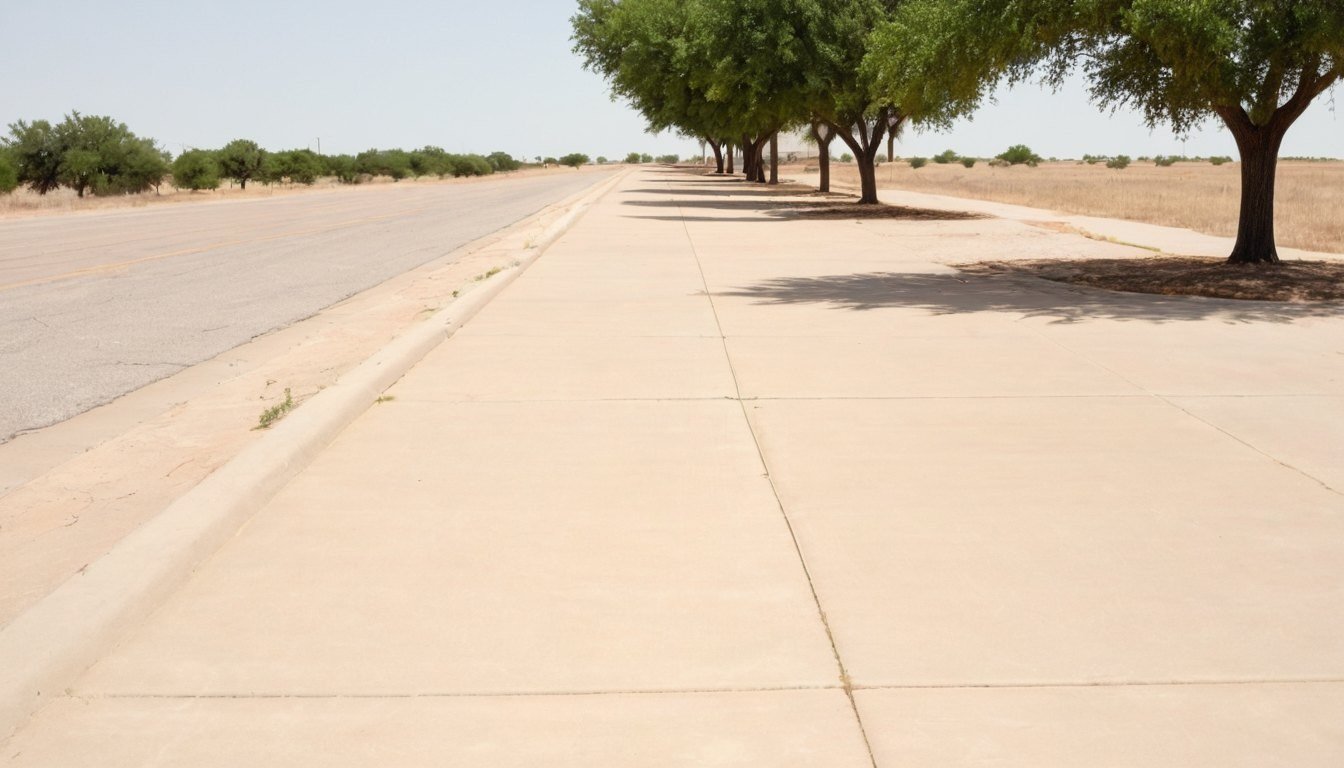
A sidewalk looks simple, but a bad one is a real problem. A lifted slab trips people. Standing water freezes into ice. A walk that slopes the wrong way sends rain toward your door. Concrete sidewalks need the right base, the right slope and good joints to stay safe.
Lubbock Concrete builds concrete sidewalks and front walks for homes and small businesses in Lubbock, TX and the South Plains. We replace cracked and lifted walks too, and we give you a free written estimate with a clear plan.
Designing concrete sidewalks that work
Width and slope matter most. A home walk is usually three to four feet wide, and a wider walk feels welcoming and lets two people walk side by side. We keep the slope gentle, about one quarter inch per foot across, so rain runs off. A walk should never slope toward the house.
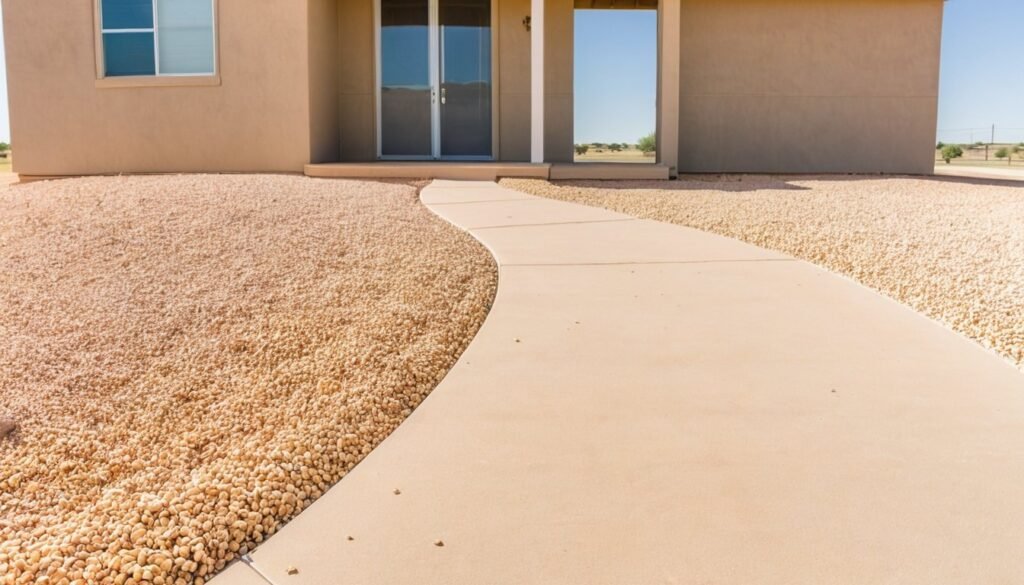
Shape helps too. A straight line is the lowest cost. A gentle curve looks great through a gravel yard or beside a flower bed. We mark the path with paint, so you can walk it before we pour.
- Three to four feet wide for most home walks
- Gentle slope so water runs off
- Straight or curved layouts
- Smooth connection to steps, driveways and patios
Building concrete sidewalks on clay and caliche
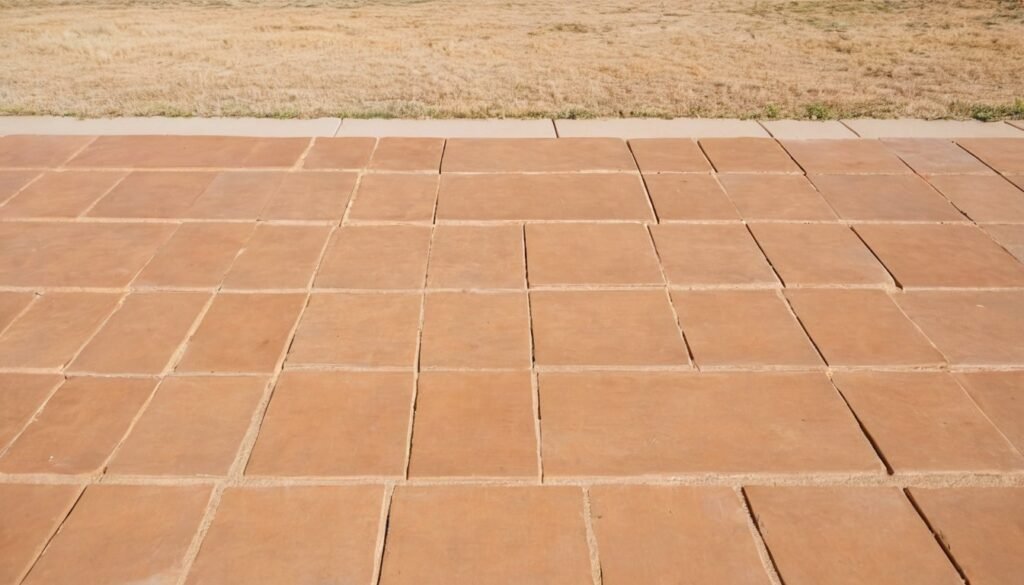
We remove the sod, shape the grade and compact a base. In Lubbock, soil can swell and shrink with moisture, so the base matters. We set forms, add steel where needed and pour a four inch slab. Control joints every four to five feet keep cracks straight.
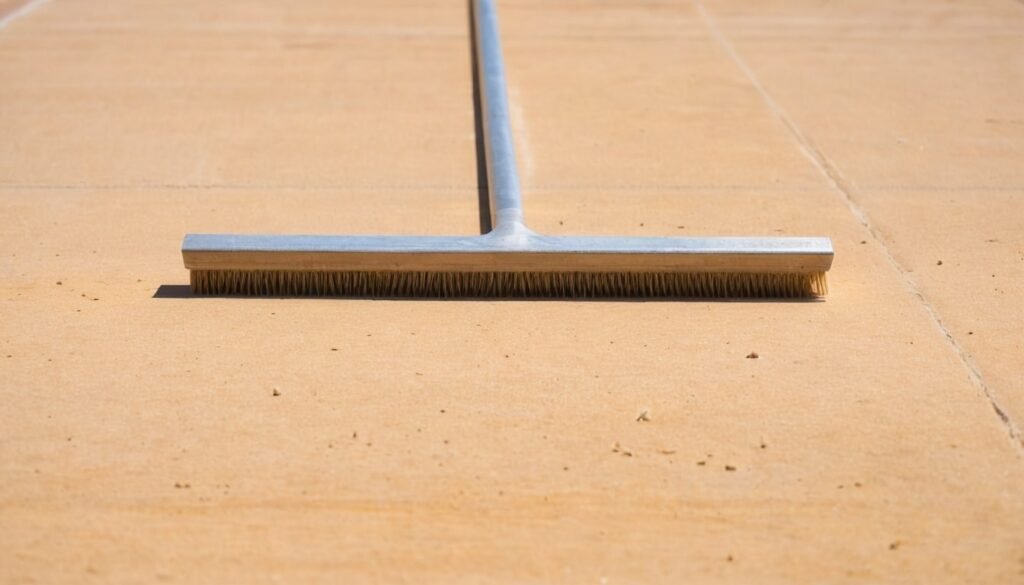
Finishing is a light broom texture for grip. We cure the sidewalk right away, because wind dries the surface fast. For cold weather, we use air entrained concrete so freeze and thaw does not scale the top.
Replacing lifted or cracked sidewalks
Tree roots, soil movement and poor drainage lift sidewalk slabs and create trip hazards. Sometimes a slab can be repaired. When the base is gone or the slab is broken, we remove it and pour a new section. We tie new work into old concrete so the walk stays flat and connected.
If the walk runs along a public street, city rules may apply to the work. We check the rules with you and call Texas811 before digging. Read about concrete removal and concrete repair for related services.
Cost, timing and next steps for your concrete sidewalks
Most home sidewalk jobs finish in one to two days of work. Walk on it after a day or two, and keep wheelbarrows and heavy loads off for about a week. Price depends on length, width, removal, curves and finish.
Pair your walk with new steps or a porch. Use the contact page or call us for a free written estimate.
Concrete Sidewalks questions answered
How wide should concrete sidewalks be?
Most home front walks are three to four feet wide. Four feet feels welcoming and lets two people walk side by side. A narrow walk of two to three feet works for a side yard or a garden path. For a business entrance, accessibility rules may call for a wider route and gentler slopes.
We look at how the walk will be used, who will use it and how it connects to the driveway, steps or porch. We mark the path with paint before pouring, so you can see the width in your yard. If you are not sure, we can show you two widths side by side. A few inches of difference changes how the walk feels. Leaving a small gap or sleeve for future pipes, wires or posts now is much easier than cutting concrete later. Clay soil moves as it gets wet and dry, which is why a compacted base and steel inside the slab are never optional on our jobs.
Why do concrete sidewalks crack and lift?
The usual causes are poor base work, tree roots, water running under the slab and soil that moves. In Lubbock, clay soil swells when it gets wet and shrinks when it dries, and that movement can lift a slab on one side. Wind and heat can also dry a fresh sidewalk too fast and cause surface cracks.
We reduce the risk with a compacted base, steel where needed, control joints and careful curing. We also look at where roof water and sprinklers send water, because wet soil next to a walk causes movement. If an old walk is already lifted, we can often remove and replace just the bad sections. Keep gutters clean and downspouts extended, because roof water pouring next to a slab can wash out the base. A level slab is easy to see, and a slab with a proper slope is just as important, because water needs somewhere to go.
Do I need a permit for a sidewalk in Lubbock?
A sidewalk on your own property usually does not need a permit. A sidewalk in the public right of way, such as along the street, falls under city rules, and the City of Lubbock and other towns may require approval and set the width, slope and thickness. Some neighborhoods also have HOA rules.
We check the rules with you before the pour, and we call Texas811 so buried lines are marked. If you are not sure whether your walk is in the public right of way, we can help you find out. It is much easier to get approval first than to redo concrete later. Cold snaps can arrive quickly in winter, and fresh concrete must never freeze, so we watch the overnight lows before every pour. A walk through your yard after a heavy rain shows where water really goes, and it helps us design the slope correctly. The more we know about your plans, the better we can design the slab, so share your ideas even if they are not final.
How long before I can walk on a new concrete sidewalk?
You can usually walk on it after one or two days. Wait about a week before you roll heavy things like wheelbarrows or a loaded cart across it, and wait about four weeks before heavy equipment. In cold weather the concrete gains strength slower, and in hot weather faster.
We set out cones or tape to keep pets and kids off the fresh surface. Sprinklers should be turned off near the walk for a few days. When we finish, we tell you the exact dates and give simple care tips. A little patience in the first week protects the finish and the edges. Keep roof water and sprinkler spray away from the edges of your slab, since wet soil next to concrete is a common cause of movement. If the forecast turns bad the night before, we call and reschedule, because a short delay is better than a damaged slab. Texas heat can push concrete to set faster than expected, so we bring extra hands and plan the finishing order before the truck arrives.
Can you match the look of my existing walk?
We can come close. We match the width, the thickness, the joint pattern and the finish. New concrete is lighter than old concrete, but it darkens and blends in over a season or two. If color matters, we can tint the new mix a little darker, and a sealer helps even things out.
We also line up the new slab with the old one so there is no trip edge, and we tie the two together where the design needs it. For stamped or decorative walks, an exact match is harder, and we talk about adding a border or a change of pattern so the join looks planned. If you have an HOA, get approval in writing before the pour, and we will help with a simple sketch and finish samples. We keep the same crew on your job from start to finish whenever we can, so the people who plan it also build it.
What is the best finish for a sidewalk?
A light broom finish is best. It has fine ridges that give shoes grip when the walk is wet, and it hides dust and small marks. A smooth finish looks nice but can be slippery, so we avoid it outdoors. If you want more style, exposed aggregate gives a pebble look with great grip, and a colored walk in tan fits our desert landscapes.
We round the edges lightly so they do not chip, and we seal the walk so it resists stains and weather. See exposed aggregate concrete and decorative concrete for more ideas. Please call with any question, large or small, because we would rather answer it now than have you wonder. Tell us what will sit on the slab or drive across it, since the weight on each wheel decides how thick the concrete should be. Rinse oil, grease and fuel spills off concrete as soon as you can, because they soak in and stain over time.
Ready for a free estimate? Call (806) 541-4636 or use the estimate form. Lubbock Concrete gives clear written estimates for patios, slabs and driveways across the South Plains.