
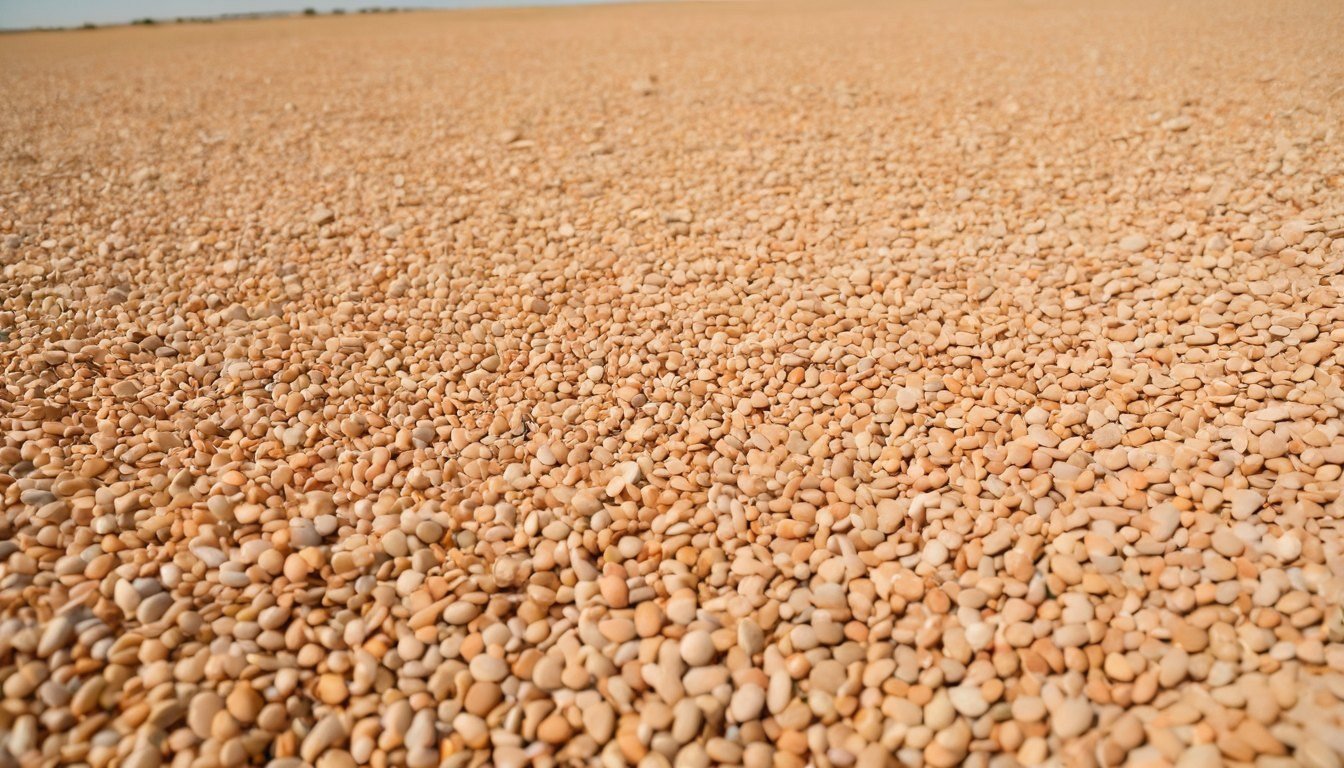
Exposed aggregate concrete shows the stones that are already inside the concrete. A few hours after the pour, the thin top layer of cement is washed away, and what is left is a rough, pebbled surface in tan, brown, cream or gray. It looks like river rock set in stone, and it grips well even when wet.
Lubbock Concrete pours exposed aggregate concrete for driveways, walks, patios, pool decks and entries in Lubbock, TX and across the South Plains. We help you choose the stone color, build a slab for our soil and wind and give a free written estimate.
Why people choose exposed aggregate concrete
It looks great, and it hides dirt, tire marks and small stains far better than a smooth gray slab. It grips well around pools and on sloped driveways. It also stands up to sun and wear, as long as it is sealed.
Stone color is a big part of the look. Tan and cream stones suit West Texas brick and stucco. Browns and mixed river tones feel natural beside gravel landscaping. Gray stones look modern.
- Grip in wet weather
- Hides dirt and everyday marks
- Many stone and cement color combinations
- Long lasting when sealed
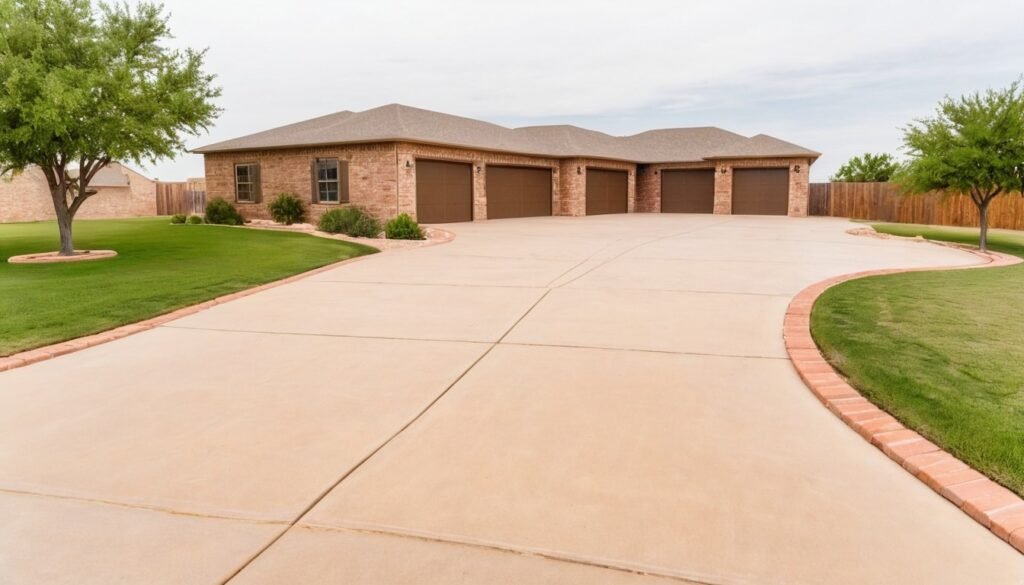
How we install exposed aggregate concrete
The base work is the same as any good slab. We grade, compact a base and set forms. Then we pour concrete with the chosen stone and place extra stone on top so it shows evenly. We level and float the surface.
Timing is the whole trick. When the surface is firm enough to stand on but still soft just below, we wash the top layer away in one even pass. Wash too early and the stones pop out. Too late and nothing shows. Wind on the South Plains makes timing harder, so we use retarders and plan the pour carefully. After curing, we seal the surface.
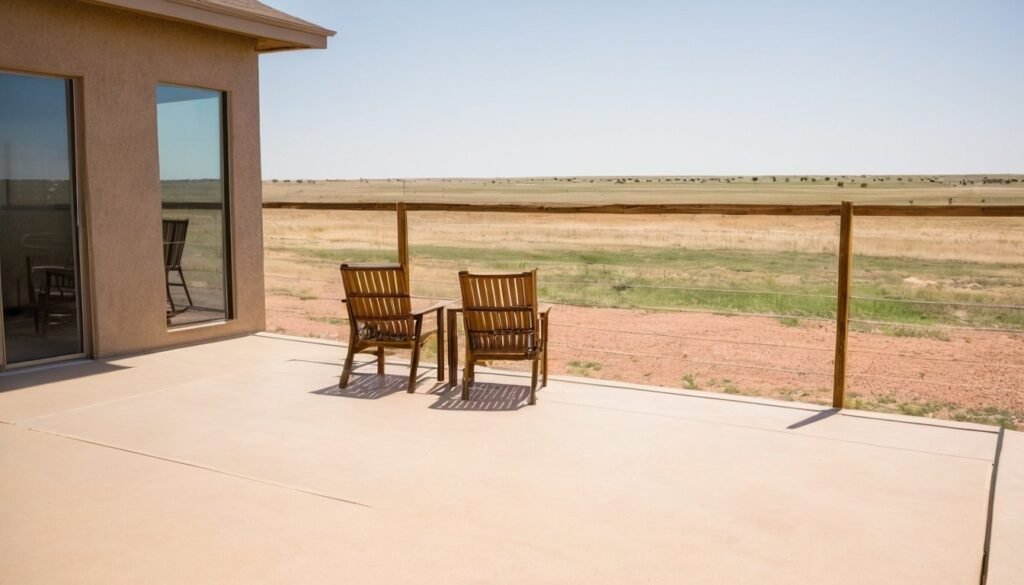
Where exposed aggregate fits and where it does not
It is great for driveways, walks, pool decks and patios. A popular design is a broom finish border with an exposed aggregate center. It is not ideal where you want a very smooth surface for rolling chairs or where leaves and needles pile up, since texture holds debris.
See concrete driveways, concrete pool decks and decorative concrete for related options.
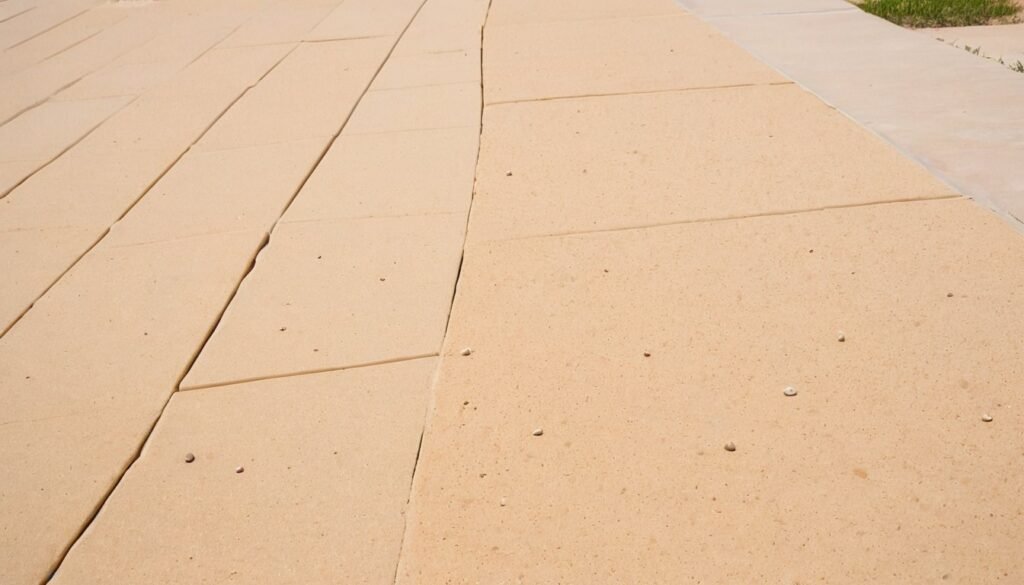
Exposed aggregate concrete cost, care and next steps
It costs more than a plain slab because of the stone, the careful timing and the sealer. You can save by using it only where it shows most. Reseal every two to three years to keep stones bright and locked in.
Call us or use the contact page for a free written estimate. We bring stone samples to your yard.
Exposed Aggregate Concrete questions answered
Is exposed aggregate concrete slippery when wet?
No, it is one of the least slippery concrete finishes. The stones make a rough, bumpy surface, so shoes and tires get good grip, even when the concrete is soaked. That is why exposed aggregate concrete is popular around pools, on sloped driveways and on entry walks.
Grip depends on how deeply the stone is exposed and what sealer is used. A heavy glossy sealer can make any surface slicker, so we use sealers made for textured concrete, often with a bit of grit. If safety is a top concern, tell us. We can choose a deeper wash and a matte sealer so the surface stays safe for kids and wet days. Ask us how we handle cleanup, because a good crew leaves your yard tidy and takes the debris with them. We are glad to meet your builder, plumber or electrician on site so the sleeves, steel and forms all line up before the pour.
How long does an exposed aggregate driveway last?
With a good base and care, an exposed aggregate driveway can last 25 to 30 years or more. The concrete underneath does the heavy lifting, so the same things matter as with any slab, like a compacted base, the right thickness, steel and a slow cure. The top texture needs a little care. We seal it after it cures, and resealing every two to three years keeps the stones bright and helps keep them in place.
If a few stones loosen after many years, small repairs are possible. Rinse off spills, avoid harsh chemicals and keep de icing salt away. Treat it well, and exposed aggregate concrete stays handsome for a long time. Heavy trucks, moving vans and delivery vehicles should stay off new concrete for about four weeks, until it reaches its full strength. If your budget is tight, we can phase a project, doing the most important slab first and the rest later.
Is exposed aggregate more expensive than regular concrete?
Usually yes, by a bit. The mix includes chosen stone, the finishing takes careful timing and the wash step adds labor. Sealing is part of the job. The extra cost is often small compared with the look you get, and it can be cheaper than pavers or stamped concrete.
A smart way to save is to use exposed aggregate only where people see it most. Many homeowners pick a broom finish border or plain section near the garage, and use exposed aggregate in the center or by the front walk. We give a free estimate with options, so you can compare real numbers. We confirm the pour day with you the afternoon before and again that morning, so nothing about the schedule is a surprise. Good drainage keeps puddles, ice and algae off your concrete, and on flat land it takes careful planning of every slope. We pour year round on the South Plains, and the plan changes with the season, not the quality of the work.
What colors are available for exposed aggregate concrete?
The color comes from two things, the stone and the cement. Stone ranges from cream, tan and buff to gray, brown and mixed river blends. The cement base can be natural gray or tinted. Together, they let you choose a warm or cool tone to fit your house.
We bring samples to your estimate because stone looks very different in the sun than on a screen. Hold a few pieces next to your brick or stucco and pick the one you like. Sealing darkens the color a little and makes it richer, like wetting a stone. Keep a copy of your estimate and any approvals with your home records, since they are handy when you sell or add on. Small differences in color from one pour to another are normal in concrete, and they soften with time and sunlight. If you rent your property, we can work with your landlord or manager to get the plan approved and the work scheduled.
Can exposed aggregate concrete be repaired if it cracks?
Yes, but repairs show more than on a smooth slab. A small crack can be cleaned and filled with flexible filler, colored to blend and sealed. The filler may look a little different from the textured surface, but it keeps water out. A large damaged section can be cut out and replaced, though matching the texture exactly is hard.
To reduce cracks in the first place, we place control joints, compact the base and add steel. See concrete repair for how we handle cracks. Ask us about matching the finish of nearby concrete, since the right texture and joint pattern help the new work look planned. Compacting the base in layers is slow work, but it is what keeps a slab flat when the ground around it shifts. The right mix matters, and we choose concrete strength and air content for outdoor work, not just the cheapest bag or truck. We keep our estimates simple, with the work, the materials and the price in plain words, so you know exactly what you are getting.
When can I walk or drive on a new exposed aggregate surface?
You can usually walk on it after 24 to 48 hours, but be gentle. The stones are set in cement that is still hardening, and sharp heels or dragged items can scratch it. For cars, wait about seven days. Heavy trucks and RVs should wait closer to 28 days. We seal the surface after it has cured enough to take sealer, and then we ask you to stay off it for another day or so.
We tell you the exact dates when we finish. Heat speeds the cure, and cool or windy weather can change the plan. We are always straight with you about when it is safe to use. Concrete reaches most of its strength in about a week and its full design strength in about four weeks. Stay off fresh concrete with wheelbarrows, tools and heavy carts for the first week, since edges are the easiest part to damage. Photos help a lot, so send a few pictures of the area, including any cracks, low spots or drainage trouble, when you contact us.
Ready for a free estimate? Call (806) 541-4636 or use the estimate form. Lubbock Concrete gives clear written estimates for patios, slabs and driveways across the South Plains.