
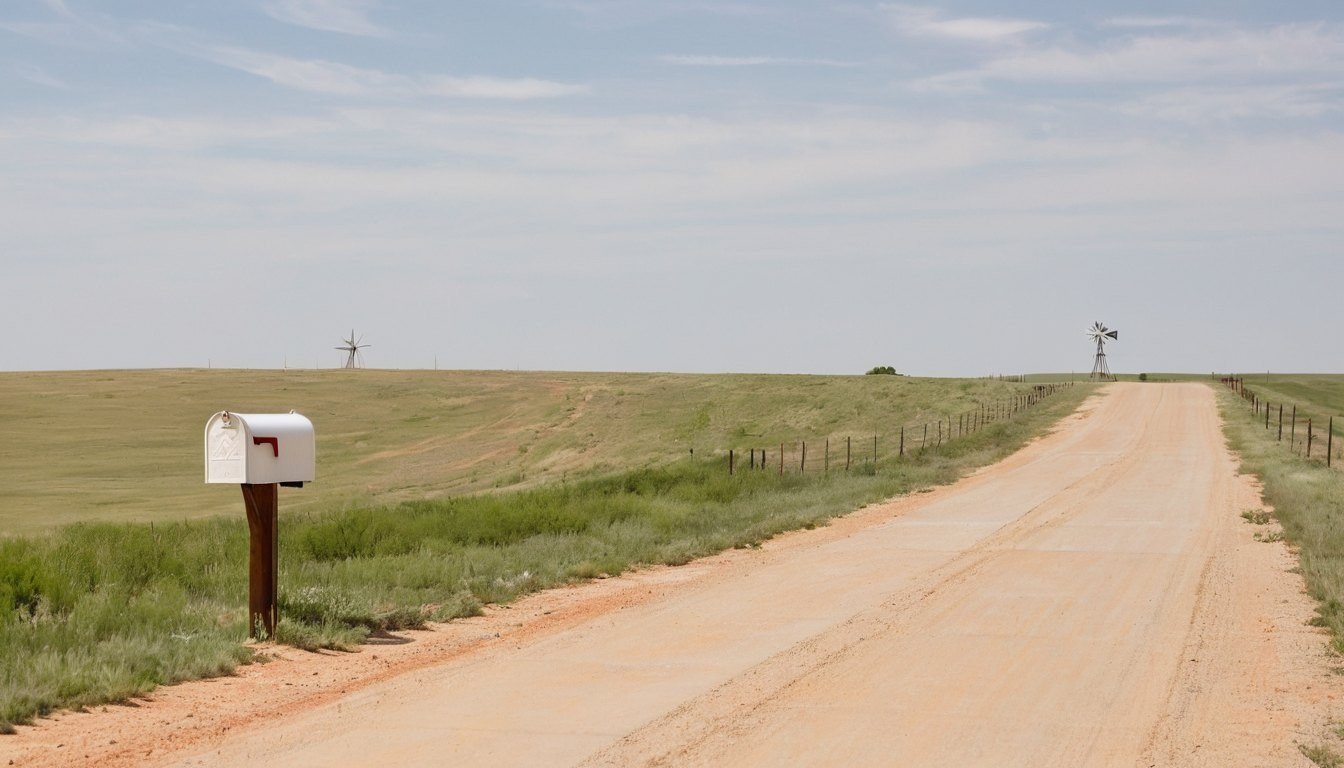
Ropesville is a small Hockley County town southwest of Lubbock, surrounded by cotton and grain fields with plenty of room for shops and big yards. People here use their land, and their concrete has to work. A concrete contractor in Ropesville TX builds for long drives, heavy loads and steady wind.
Lubbock Concrete pours driveways, slabs, patios and pads for Ropesville homes and farms. We give a free written estimate and build for the South Plains.
Concrete that fits farm life
Farm work means trucks, trailers, tractors and fuel tanks. A concrete contractor in Ropesville TX should think about weight, turning, drainage and dust before anything else. We build thick, reinforced slabs and strong aprons.
Homes need patios, steps and garage floors, and we pour those with the same care.
- Long driveways and aprons
- Shop and equipment pads
- Garage floors and patios
- Straight price talk
What we pour around Ropesville
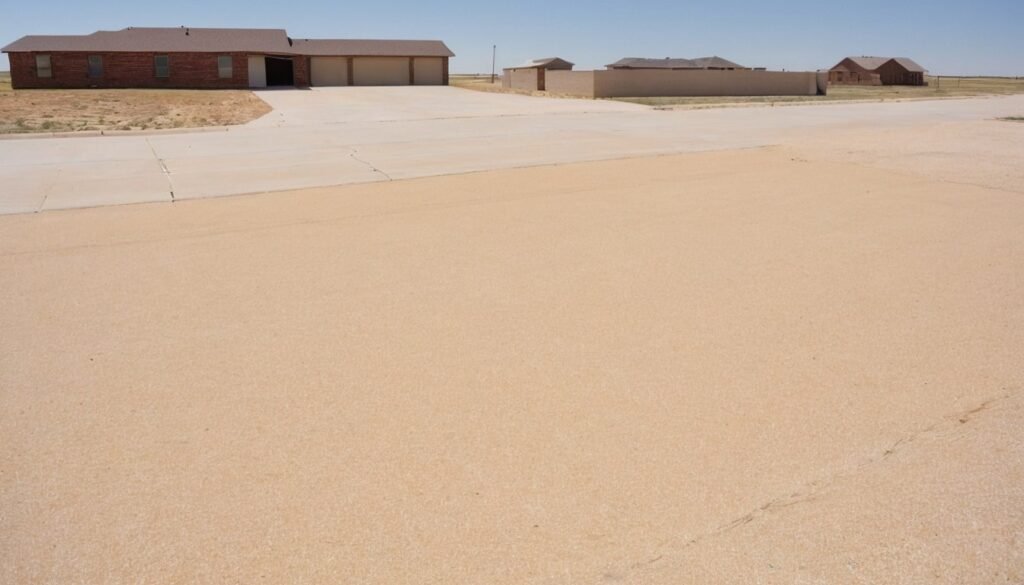
See concrete driveways, concrete slabs, shop and barn floors, RV pads and patios.
Soil and weather in Ropesville
Soil is sandy to clay loam with caliche, and wind is steady. We compact bases, add steel and plan pours around the forecast. A concrete contractor in Ropesville TX also plans for freeze and thaw with air entrained mixes.
Serving Ropesville and nearby roads
We serve Ropesville, the farms around town and the roads toward Wolfforth, Levelland and Meadow.
Use the contact page or call us for a free written estimate.
When you need a concrete contractor in Ropesville TX, we start with a visit, a tape measure and a plain explanation. We work across Hockley County and the South Plains, and our crew handles concrete driveways, concrete slabs and shop and barn concrete floors with the same care on every job.
Questions about hiring a concrete contractor in Ropesville TX
How thick should concrete be for farm equipment?
Six inches or more with steel is smart for tractors, loaded trucks and heavy equipment. We compact a strong base and thicken edges where wheels turn.
Heavy farm equipment can crush a thin slab in a season. We design for the worst day, not the average one, and use steel and a thicker edge where the weight turns or sits still. Small differences in color from one pour to another are normal in concrete, and they soften with time and sunlight. If you rent your property, we can work with your landlord or manager to get the plan approved and the work scheduled. Ask us about matching the finish of nearby concrete, since the right texture and joint pattern help the new work look planned. Compacting the base in layers is slow work, but it is what keeps a slab flat when the ground around it shifts. The right mix matters, and we choose concrete strength and air content for outdoor work, not just the cheapest bag or truck.
Can you pour a pad for a fuel tank or feed bin?
Yes. We size the pad to the tank or bin, add steel and slope the surface so spills and water run away. Check local rules for fuel tank containment.
Fuel storage has rules for containment and spacing. We build the pad, slope it and add curbs if the plan calls for them, and we suggest you check requirements with your supplier or the county. We keep our estimates simple, with the work, the materials and the price in plain words, so you know exactly what you are getting. Concrete reaches most of its strength in about a week and its full design strength in about four weeks. Stay off fresh concrete with wheelbarrows, tools and heavy carts for the first week, since edges are the easiest part to damage. Photos help a lot, so send a few pictures of the area, including any cracks, low spots or drainage trouble, when you contact us.
How do you handle long driveways?
We pour in sections with planned joints, check the ground along the route and add culverts where the lane crosses a ditch. We plan truck access and use a pump when the truck cannot reach.
Many Ropesville lanes cross ditches and low spots. We plan pipe sizes, backfill and thickened concrete so the crossing holds up, and we shape the apron to keep water moving. We bring finish samples to the estimate and hold them in the real sunlight, since colors look different outside than on a screen. Dust and grit blow across the plains and into fresh concrete, so we keep the work area clean and protect the surface while it sets. Water is the cause of most concrete problems, so we always look at slope, gutters and sprinklers before we pour anything. If you plan to add something later, like a cover, a hot tub or a grill island, tell us now so we can build for it.
Does wind really matter for concrete?
Yes. Wind pulls water out of the top of fresh concrete and causes tiny cracks. We pour at calmer times, wet the base, use retarder and cure the surface right away.
Spring winds can be strong enough to pull water from a slab in minutes. We bring windbreaks when needed, keep the base damp and cover the finished surface so it cures evenly. We can pour in sections when access is tight, or the area is large, so the finish stays uniform and the crew can do their best work. A broom finish is the safest choice outdoors, and it hides dust, small marks and the wear of daily use. We would rather spend an extra hour on prep than have you call us in a year about a crack that was avoidable. Following your engineer's or builder's drawings is part of the job, and we raise questions early if something does not look right.
How long before I can use a new slab?
Walk on it in a day or two, drive cars on it after a week and park heavy loads after about four weeks.
The same schedule applies to a barn floor, a patio and a driveway, and we write the dates down so you can plan around them. When the job is finished, we leave simple care instructions so you know how long to wait and how to keep the surface looking good. Your first rain after a pour is nothing to worry about once the surface has set, but we advise covering fresh concrete if rain is close. If an old slab has been undercut by water, we fill and compact the void before we pour so the new slab has even support. New concrete is lighter than old concrete at first, but it darkens over a season or two and a sealer helps the two blend. Expansion joints at walls, steps and other slabs let each piece move on its own, which keeps the edges from cracking.
How do I get a free estimate in Ropesville?
Call us or use the contact form with your address and project. We visit, measure and give you a written price.
At the estimate we ask what you plan to put on the concrete, check the ground and talk about finish and timing, then leave you with a clear written price. A free estimate includes our honest recommendation, even when the answer is that a smaller or simpler job will do. A little extra work on the edges of a slab, where moisture changes hit first, is some of the best money you can spend. A pressure washer can clean concrete, but keep it at a moderate setting and keep it moving, since too much pressure scars the surface. A second look at your plan after a night's sleep is often a good idea, and we are happy to adjust the estimate to match. Fill small cracks early with a flexible sealant, because water that gets into a crack in winter freezes and makes it bigger.
Looking for a concrete contractor in Ropesville TX? Call (806) 541-4636 or use the estimate form. Lubbock Concrete gives clear written estimates for patios, slabs and driveways across the South Plains.