
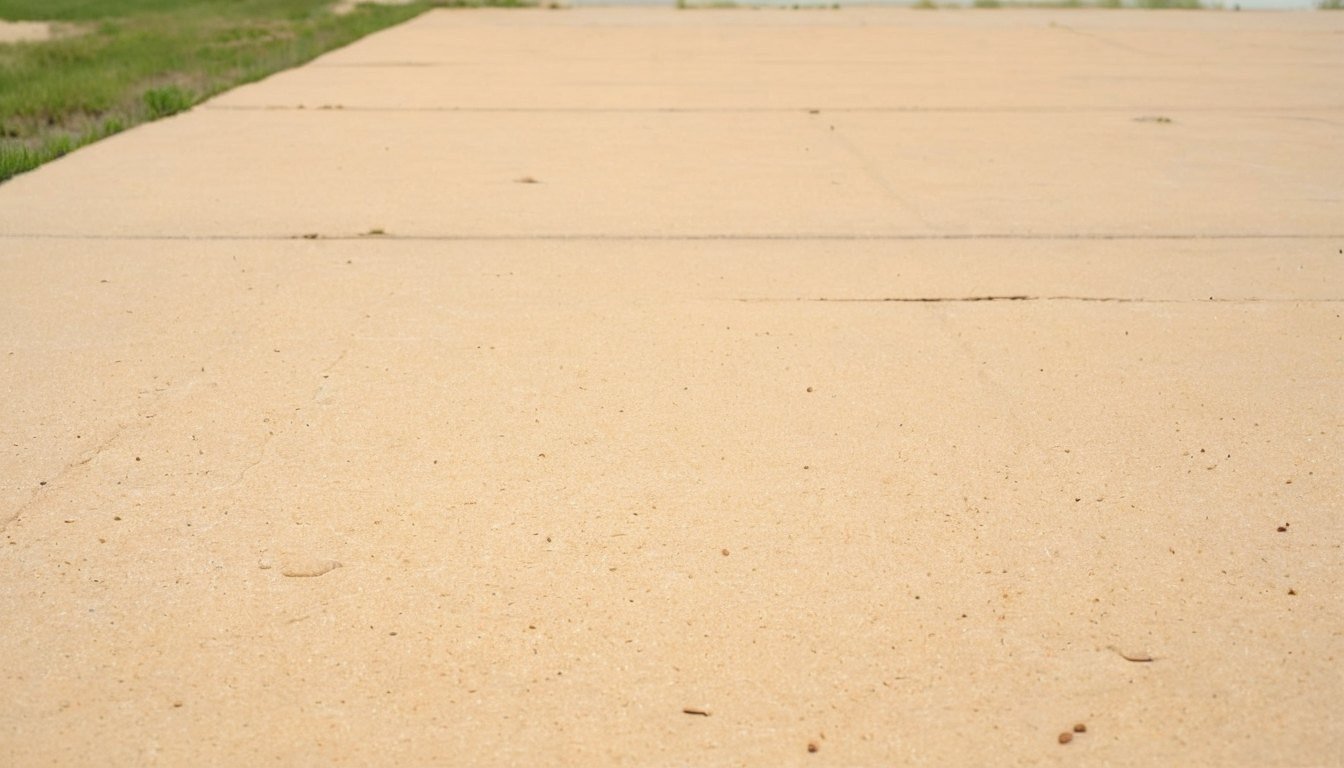
Every concrete surface cracks sooner or later. In Lubbock, TX the clay under a slab moves, the wind dries fresh concrete too fast, and freezing nights work water into every gap. A small crack today can become a big problem if water gets under the slab. Good concrete repair stops the damage while it is still cheap to fix.
Lubbock Concrete does concrete repair for driveways, patios, garage floors, sidewalks, steps and shop floors across Lubbock and the South Plains. We tell you honestly whether a repair will last or whether replacement makes more sense, and we give a free written estimate.
Common concrete repair problems on the South Plains
Hairline cracks come from drying shrinkage and are usually harmless. Wider cracks, cracks where one side sits higher than the other and cracks that keep growing point to soil movement. Flaking and pitting at the surface, called spalling or scaling, often come from freeze and thaw or de icing salt. Chipped corners and broken edges come from impact.
Sunken slabs and gaps next to the house point to washed out or shifting soil. Each problem has a different fix, so the first step is to find the cause.
- Shrinkage and stress cracks
- Settlement and heave from clay movement
- Scaling, pitting and spalling
- Broken edges, chipped corners and trip hazards
How we handle concrete repair
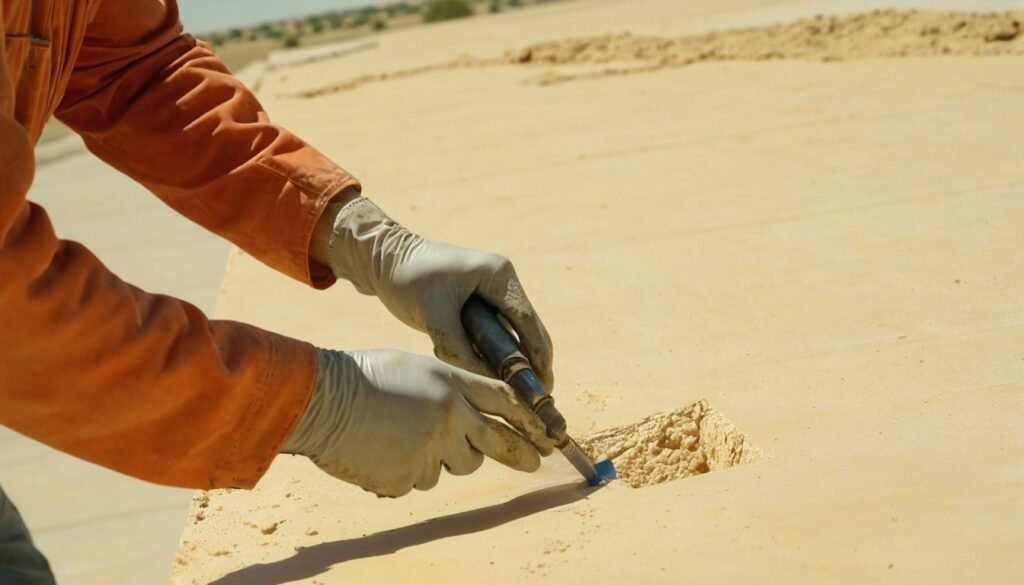
For stable cracks, we clean out the crack, fill it with a flexible sealant or a polymer filler and smooth the surface. For wider cracks, we may route a groove first so the filler has depth. For chips and broken edges, we use patching mortar that bonds to the old concrete. For surface damage, we may use a thin overlay.
When the slab has sunk or tilted, we look at the cause. Sometimes the slab can be lifted and supported. Often the best long term fix is to remove the section and pour a new one on a compacted base. We tell you which route is realistic.
Stopping problems before they come back
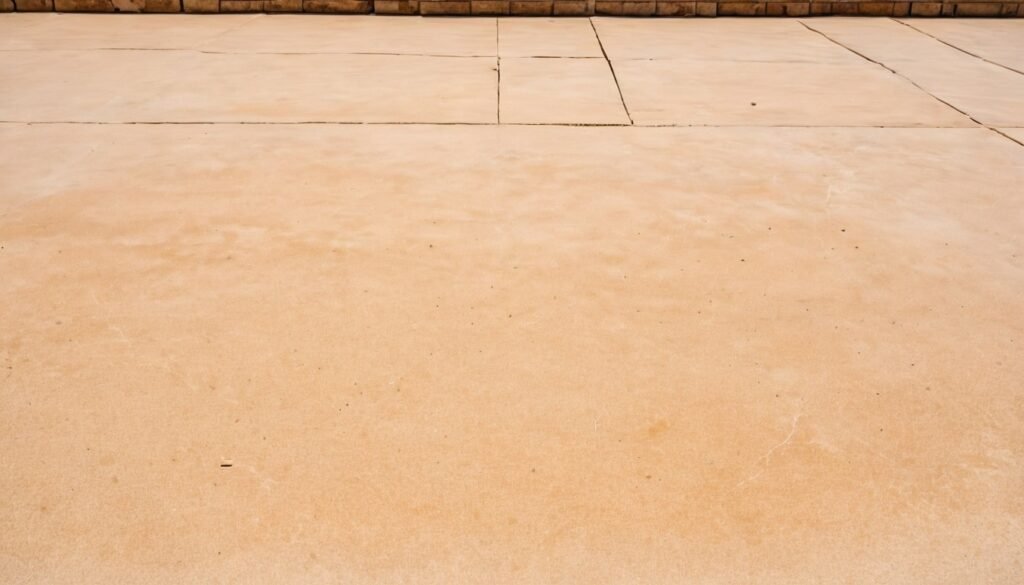
Water is the enemy. We check gutters, downspouts, sprinklers and slopes, since wet soil next to a slab causes movement. We also suggest sealing after repair so water and salt stay out. A repaired surface that is sealed lasts longer than one left bare.
See our pages on concrete resurfacing, concrete staining and sealing and concrete removal for related work.
Concrete repair cost and next steps
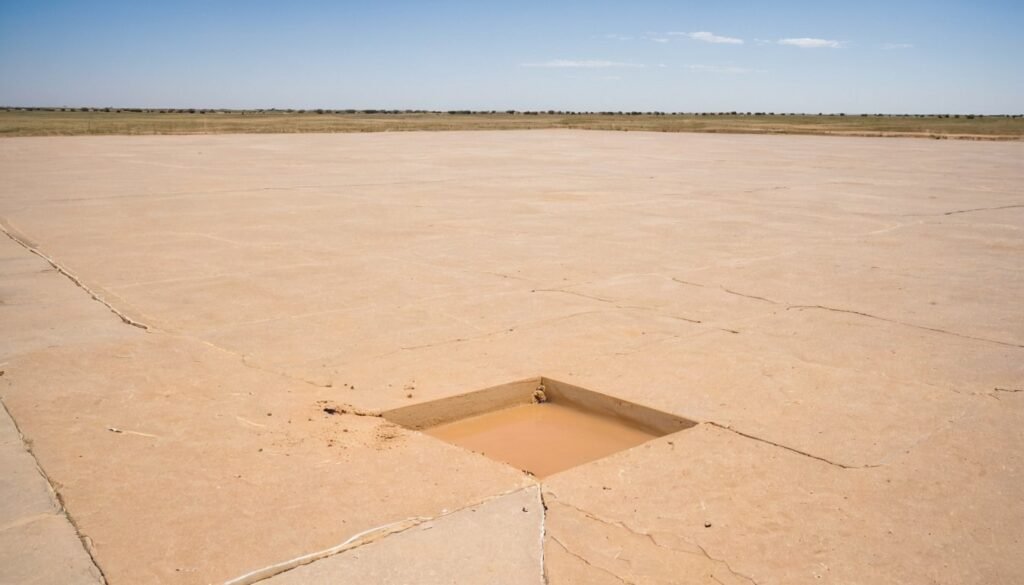
Price depends on the number and size of cracks, the amount of surface damage, access and the materials needed. Many repairs take a few hours to a day. Fillers need time to cure before heavy use.
Call us or use the contact page. Send a few photos if you like. We will visit and give a free written estimate.
Concrete Repair questions answered
Can all cracks in concrete be repaired?
Most can be repaired or sealed, but a repair does not always fix the reason the crack formed. Thin shrinkage cracks are easy to fill, and they stay tight for years. Wider cracks can be filled, too, but if the slab is still moving, the crack may open again.
When the cause is clay soil swelling, a washed out base or a tree root, we talk about fixing that first or replacing the damaged section. We do not want to sell a patch that fails in a few months. We look at the whole slab, measure the crack, check for hollow spots and tell you if concrete repair makes sense or if another option is better. If a permit or approval is needed, we help you understand the steps so the job is not held up later. Pouring concrete near trees takes care, and we keep slabs away from big roots where we can and thicken them where we cannot.
When is a crack serious?
A crack under about one sixteenth of an inch wide that does not grow is usually cosmetic. A crack wider than a quarter inch, a crack where one side is higher than the other, and a crack that keeps getting longer deserve attention. A web of cracks or crumbling along a crack shows deeper trouble.
Also look at where the crack is. A crack in a garage floor near the wall can show foundation movement, which is a bigger issue than a crack in a patio. If you are worried, take a photo with a coin or tape measure beside the crack. We can look at it for free during an estimate and tell you what we see. If you notice puddles that stay for days after rain, tell us, because that spot needs a better slope before anything is built over it. Curing means keeping the surface damp or covered after finishing, and it matters as much for strength as the mix itself.
What is spalling, and how do you fix it?
Spalling is when the top layer of concrete flakes or peels off, leaving a rough or pitted surface. The usual causes are freeze and thaw cycles, de icing salt, poor finishing and wind that dried the surface too fast when it was poured. Small spalled areas can be cleaned and patched. Large areas often need a thin overlay or a full surface treatment.
After repair, sealing helps keep water and salt out. We also advise keeping salt off concrete in winter and using sand for traction. If the damage keeps spreading, the concrete may have been poured without air entrainment, and replacement may be the better answer. Every job gets a final walk through, where we check the finish, the edges and the slope with you before we leave. Walking the site together is the best way to find problems early, and we are glad to do it at no charge as part of your free estimate.
Will a repaired crack still show?
Usually a little. A repair appears as a line or patch because the filler is not exactly the same as the concrete. We can make it less noticeable by choosing a filler color close to the slab, smoothing it flush and blending the texture. On colored or stamped concrete, we match as well as we can.
If looks matter, a resurfacing overlay can cover all repairs under one new surface. See concrete resurfacing. For driveways and garage floors, most people care more about stopping the damage than hiding it, and a neat, flush repair is enough. We tell you what to expect before we start. A lighter color stays cooler under bare feet in July, which is worth thinking about for patios, pool decks and walks. Leaving a small gap or sleeve for future pipes, wires or posts now is much easier than cutting concrete later. Clay soil moves as it gets wet and dry, which is why a compacted base and steel inside the slab are never optional on our jobs.
How long does concrete repair last?
A good repair on a stable slab can last many years, often five to ten or longer. Flexible sealants may need a refresh after several years as sun and weather wear on them. Epoxy repairs on structural cracks can last as long as the slab if the ground stays steady.
The life of a repair depends on the cause of the crack, the product used and how well the crack was prepared. Clean, dry cracks bond best. Windy days can blow dust into the crack, so we prepare carefully. Sealing the slab afterward adds more life. If a repair fails early, it usually means the slab is still moving, and we tell you that up front. Keep gutters clean and downspouts extended, because roof water pouring next to a slab can wash out the base. A level slab is easy to see, and a slab with a proper slope is just as important, because water needs somewhere to go.
Can I fix concrete cracks myself?
Small, thin, stable cracks can be a fine do it yourself project. A concrete crack filler from the hardware store works if you clean out the crack and let it dry first. Take your time and follow the label.
Wider cracks, cracks in a slab that is sinking and cracks near the house deserve a pro. The wrong filler can fail in a season, and a crack that moves can come back bigger. We give a free estimate, so you can see what it costs to do it right, and many people find that fixing everything in one visit, including sealing, is worth it. Cold snaps can arrive quickly in winter, and fresh concrete must never freeze, so we watch the overnight lows before every pour. A walk through your yard after a heavy rain shows where water really goes, and it helps us design the slope correctly. The more we know about your plans, the better we can design the slab, so share your ideas even if they are not final.
Ready for a free estimate? Call (806) 541-4636 or use the estimate form. Lubbock Concrete gives clear written estimates for patios, slabs and driveways across the South Plains.